Transform Your Skin: Uncover the Hidden Impact of Nutrition on Your Beauty Routine

When it comes to achieving radiant, healthy skin, many of us focus on topical treatments, serums, and beauty routines. However, the truth is that the foundation of beautiful skin lies in what we consume. Nutrition plays a crucial role in skin health, influencing everything from hydration to elasticity. In this blog post, we will explore how the food we eat affects our skin and how you can enhance your beauty routine by making mindful dietary choices.
The Connection Between Nutrition and Skin Health
The skin is the largest organ of the body, and like any other organ, it requires proper nutrition to function well. The nutrients we consume can either improve or harm our skin's appearance. Vitamins, minerals, and antioxidants found in various foods can help combat oxidative stress, reduce inflammation, and promote cell regeneration.
Research shows that a diet high in whole foods can reduce the risk of skin issues. For example, a study published in the American Journal of Clinical Nutrition found that individuals who consumed more fruits and vegetables had a 35% lower risk of skin aging compared to those with a diet low in these foods. On the other hand, a high intake of processed foods, sugars, and unhealthy fats can lead to issues such as acne, dryness, and premature aging.
Key Nutrients for Beautiful Skin
Antioxidants
Antioxidants are compounds that help protect the skin against damage from free radicals. Foods rich in antioxidants include:
Berries: Blueberries, strawberries, and raspberries are loaded with vitamins and antioxidants. For instance, one cup of blueberries contains about 14,000 antioxidant units.
Dark Chocolate: With a high cocoa content, it can improve skin hydration and texture. Look for options with at least 70% cocoa.
Nuts: Walnuts and pecans provide essential fatty acids and vitamin E, which can enhance skin health.
Green Leafy Vegetables: Spinach and kale are nutrient powerhouses that help in cell repair through their rich antioxidant content.
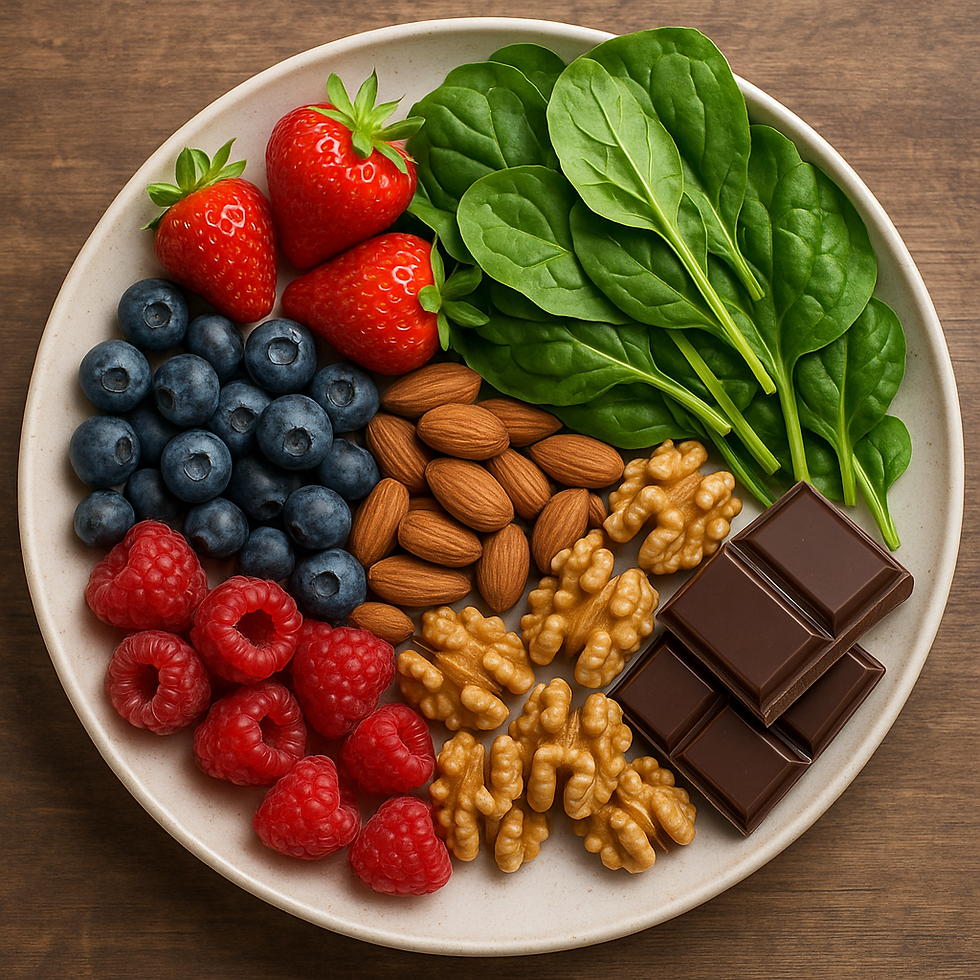
Examples of antioxidants
Incorporating these foods into your diet can lead to a healthier, more youthful glow.
Omega-3 Fatty Acids
Omega-3 fatty acids are essential for maintaining skin hydration and elasticity. They strengthen the skin's barrier, preventing moisture loss and reducing inflammation. Foods high in omega-3s include:
Fatty Fish: Salmon, mackerel, and sardines are great sources. Just a 3-ounce serving of salmon can provide over 2,000 mg of omega-3s, greatly benefiting skin health.
Chia Seeds: Just one ounce contains about 5,000 mg of omega-3s.
Flaxseeds: A great vegan source, one tablespoon offers approximately 2,350 mg of omega-3s.
Walnuts: About 1 ounce provides around 2,600 mg of omega-3s.
These foods can lead to a noticeable improvement in skin health.
Vitamins A, C, and E
These vitamins are vital for skin repair and regeneration.
Vitamin A: This vitamin helps maintain skin cell production and repair. Foods high in vitamin A include sweet potatoes (one medium provides over 400% of your daily needs), carrots, and spinach.
Vitamin C: Essential for collagen production, it keeps skin firm. Foods like citrus fruits, strawberries, and bell peppers are excellent sources. Just one orange can provide about 70 mg of vitamin C, supporting skin health.
Vitamin E: Acting as a powerful antioxidant, it protects the skin from damage. You can find it in foods like almonds and sunflower seeds, with just one ounce of almonds delivering around 7 mg of vitamin E.
Incorporating a variety of these vitamins into your diet can lead to healthier, more resilient skin.
The Role of Hydration
While nutrition is crucial, hydration is equally important for skin health. Water helps maintain skin elasticity and suppleness. Dehydration can lead to dry, flaky skin, making fine lines and wrinkles more noticeable.
According to U.S. News & World Report, it is recommended to drink about half your weight in ounces. For example, if you weigh 150 lb, you approximately need to drink 75 ounces a day (150/2 = 75). If exercising for 45 minutes or more, an additional amount may be needed. Increase the water intake gradually.
Additionally, consider hydrating foods such as cucumbers, watermelon, and oranges. These foods not only aid in hydration but also provide essential nutrients that support skin health.
Remember to consult a health professional for personalized advice, especially if you have health conditions.
Foods to Avoid for Optimal Skin Health
Just as some foods can enhance skin health, others can have negative effects. Here are some foods to limit or avoid:
Sugary Foods
High sugar intake can lead to glycation, a process that damages collagen and elastin, resulting in sagging skin and wrinkles. Reducing consumption of sugary snacks, sodas, and desserts can help keep your skin looking youthful.
Processed Foods
These foods often contain unhealthy fats, preservatives, and additives that can trigger inflammation and various skin issues. Opting for whole, unprocessed foods whenever possible supports your skin's health. There are multiple studies showing that individuals who consumed fewer processed foods experienced a reduction in skin inflammation.
Dairy Products
Some studies suggest that dairy may contribute to acne in certain individuals. If you notice breakouts after consuming dairy, consider reducing your intake and observing any changes in your skin.
Creating a Skin-Friendly Meal Plan
To transform your skin through nutrition, create a meal plan that emphasizes whole, nutrient-rich foods. Here’s a simple outline to help you get started:
Breakfast
Smoothie with spinach, banana, chia seeds, and almond milk
Oatmeal topped with berries and a sprinkle of nuts
Lunch
Quinoa salad with mixed greens, cherry tomatoes, avocado, and grilled chicken
Lentil soup with a side of whole-grain bread
Dinner
Baked salmon with steamed broccoli and sweet potatoes
Stir-fried tofu with mixed vegetables and brown rice
Snacks
Carrot sticks with hummus
A handful of mixed nuts or seeds
By planning your meals around these principles, you can nourish your body and enhance your skin's appearance.
Emphasizing a Nutritional Approach for Skin Health
The connection between nutrition and skin health is clear. By making thoughtful food choices, you can significantly improve your skin's appearance and overall health. Embrace a diet rich in antioxidants, healthy fats, and essential vitamins while steering clear of processed and sugary foods.
Transforming your skin starts from within. Prioritize nutrition and achieve the beautiful, radiant skin you desire. Your skin reflects your overall health, so nourish it wisely!
Understanding the hidden impact of nutrition on your beauty routine allows you to take proactive steps toward achieving the skin you've always wanted. Start today, and watch as your skin transforms into a canvas of health and vitality!


Comments